







Search Results for: plant taxonomy

A Complete Analysis of Coffee Bean Classification: Differences Between Arabica and Robusta and Common Arabica Varieties
There are many coffee-producing regions around the world, and the coffee beans produced in places such as Brazil, Colombia, and Indonesia each have their own reputation. In plant taxonomy, coffee belongs to the Rubiaceae family, and about eighty coffee tree species have been confirmed, among which there are three main cultivated species used for drinking: Arabica, Robusta, and Liberica. Arabica is known for its delicate flavor and aroma and is often used for single-origin and specialty coffee; Robusta, due to its strong adaptability and high yield, is mostly used for instant coffee. Each has its own advantages, and they have also given rise to many hybrid varieties. This article will systematically sort out the characteristics of these two major coffee species, and introduce common Arabica sub-varieties such as Typica, Bourbon, Catimor, and Maragogipe, while also sharing Front Street Coffee's cupping experience and product recommendations for the related bean types. [more…]
What exactly does 100% Arabica coffee beans mean? Why are chain brands all labeling it?
In the advertisements of major coffee chains, "100% Arabica coffee beans" has almost become synonymous with high quality. But what exactly does this phrase mean? What is the difference between Arabica and Robusta? Why do businesses specifically emphasize "100%"? Starting from plant taxonomy, this article will introduce you to the characteristics, historical origins, and commercial value of the two major coffee species, Arabica and Robusta, analyze the true meaning behind this advertising slogan, and explain that it is not an absolute guarantee of good coffee. [more…]
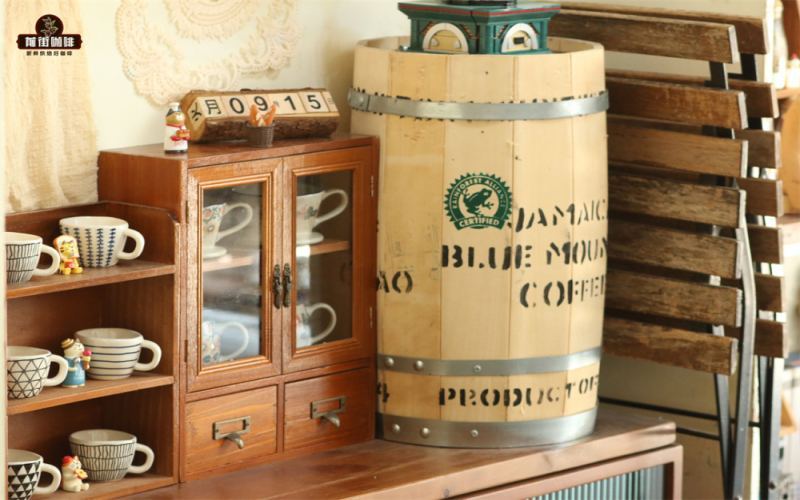
Arabica Coffee Bean Buying Guide: Variety Characteristics, Reasons for Higher Prices, and Analysis of Representative Global Producing Regions
Why has Arabica coffee bean become synonymous with specialty coffee, and why is its price consistently higher than Robusta? Starting from plant taxonomy, this article systematically reviews Arabica's flavor advantages and cultivation limitations, and one by one explains the varietal characteristics, processing methods, and grading standards of representative producing regions around the world such as Brazil, Colombia, Panama, and Ethiopia. The article also combines Front Street Coffee's store selection and recommended bean list to provide coffee enthusiasts with a reference that is both informative and practical. [more…]
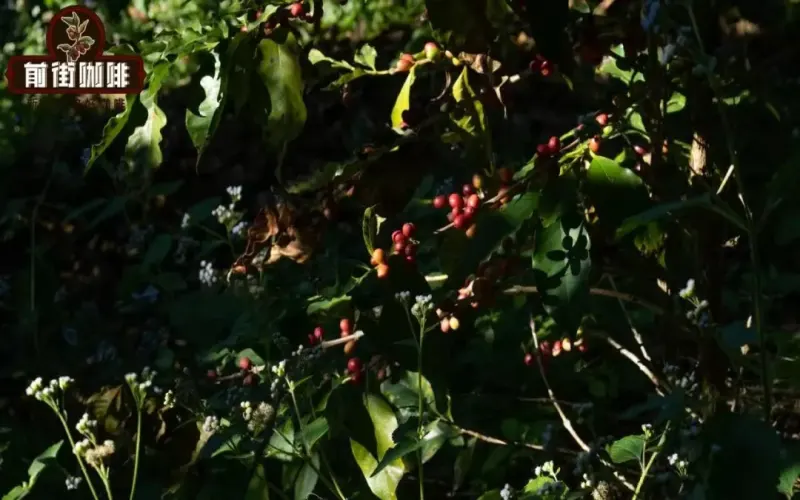
Yunnan Small-Bean Coffee Variety Analysis: Arabica Identity Confirmation and the Generational Shift Between Catimor and Typica
What exactly is Yunnan small-batch coffee? Does it belong to Arabica or Robusta? Why does "Yunnan small-batch" refer to different varieties in different eras? This article clarifies the varietal classification of Yunnan small-batch coffee from two dimensions—plant taxonomy and historical evolution—and takes a deep dive into comparing the core differences between Catimor and Typica in terms of genetic origin, disease resistance, and flavor performance. At the same time, drawing on Front Street Coffee's cultivation and roasting practices in Baoshan and Lincang, Yunnan, it presents two representative Yunnan coffee beans—washed Catimor and Front Street Coffee 2013 Typica natural—along with complete brewing parameters, helping coffee enthusiasts understand the real impact of variety on flavor. [more…]
A Beginner's Guide to Coffee Varieties: Arabica Coffee's Characteristics, Sub-varieties, and Major Global Producing Regions
In the world of coffee, Arabica and Robusta are the two most frequently mentioned varieties, and the former almost represents the mainstream direction of specialty coffee. This article starts from plant taxonomy to sort out Arabica's varietal characteristics, flavor advantages, and disease-resistance weaknesses, and introduces one by one the planting varieties, processing methods, and grading standards of representative origins such as Brazil, Colombia, Panama, Guatemala, Costa Rica, Jamaica, Ethiopia, Kenya, and Indonesia. At the same time, it combines Front Street Coffee's store selection and recommended bean list to help readers build a complete cognitive framework from variety to origin. [more…]

Arabica Coffee | What are the three main categories of coffee beans? What coffee variety is Yunnan coffee? Recommended Yunnan specialty coffee suitable for beginners
For professional coffee knowledge exchange and more coffee bean sharing, please follow Front Street Coffee (FrontStreet Coffee). In plant taxonomy, coffee belongs to the Rubiaceae family, under which there are at least over a hundred coffee species, with about eighty confirmed varieties of coffee trees, among which those used for drinking coffee [more…]
Why Are Arabica Coffee Bean Prices Staying So High? A Full Analysis of Specialty Bean Flavors and Grading Across Origins
Why are Arabica coffee beans priced higher? This article approaches the topic from plant taxonomy, analyzing the differences among the three major cultivated species—Arabica, Robusta, and Liberica—explaining why Arabica has superior flavor but weak disease resistance and is suited to high-altitude cultivation, and introducing one by one the varieties grown, processing methods, and grading standards of well-known origins such as Brazil, Colombia, Panama, Guatemala, Costa Rica, Jamaica, Ethiopia, Kenya, and Indonesia. At the same time, combined with Front Street Coffee's stores and bean list recommendations, it helps coffee enthusiasts understand the pricing logic of Arabica and how to choose. [more…]
Arabica Coffee Bean Buying Guide: Major Origin Brand Recommendations and the Deep Reasons Why Prices Are Higher Than Robusta
Why are Arabica coffee beans generally more expensive than Robusta? Which Arabica origins around the world are worth paying attention to? Starting from plant taxonomy, this article systematically sorts out Arabica's flavor advantages and cultivation shortcomings, and introduces one by one the variety characteristics, processing methods, and grading standards of core producing regions such as Brazil, Colombia, Panama, Guatemala, Costa Rica, Jamaica, Ethiopia, Kenya, and Indonesia. At the same time, drawing on the store selection experience of Front Street Coffee, it provides coffee lovers with a complete cognitive framework from producing region to cup, helping you find the one that suits your taste among a dazzling array of bean lists. [more…]
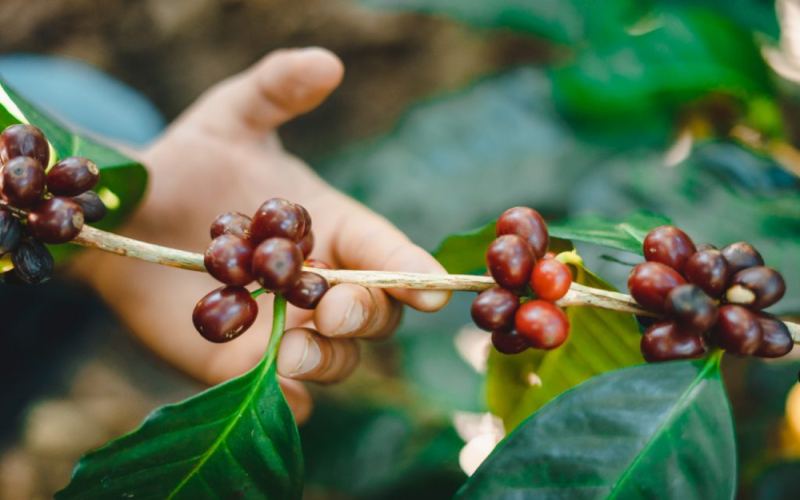
A Complete Guide to Coffee Bean Grades and Variety Tiers: Where Do Arabica and Canephora Stand?
For friends who are just getting into coffee, the difference between Arabica and Canephora (Robusta), and the quality tier each occupies, are often the first questions they encounter. Starting from plant taxonomy, this article sorts out the output share, disease resistance, and flavor characteristics of the world's major cultivated coffee varieties, and introduces one by one the varietal composition and flavor trends of representative Arabica-producing regions such as Brazil, Colombia, Ethiopia, Kenya, Panama, Guatemala, Costa Rica, Jamaica, and Indonesia. The article also includes the specific parameters and flavor descriptions of Front Street Coffee's everyday beans from various regions, helping readers build a complete cognitive framework from variety to producing region. [more…]

Analysis of the Three Major Commercial Coffee Varieties: Flavor Characteristics of Arabica, Robusta, and Liberica
The coffee family is actually quite large. From a botanical perspective, there are more than sixty coffee tree species worldwide, of which about twenty-five have been selected and cultivated by humans. However, only three main species truly have commercial value and can circulate on a large scale: Arabica, Robusta, and Liberica. These three coffees each have distinct botanical characteristics and flavor profiles. Among them, Liberica is relatively rare due to its low yield and tall plants, and its flavor is also clearly different from the other two. This article will introduce you to these three major commercial coffee species, with a focus on understanding the unique taste of Liberica coffee. At the same time, Front Street Coffee will also recommend related products worth trying. [more…]

Analysis of Coffee Tree Potted Cultivation and Growing Region Conditions: From Plant Classification to Artificial Planting Practices
Coffee, this everyday beverage, originates from the fruit of the coffee tree. This article begins with its botanical classification and systematically examines the origins, growth habits, and suitable cultivation regions of the coffee tree. The coffee tree belongs to the genus Coffea in the family Rubiaceae and is an evergreen shrub, naturally distributed across the "Coffee Belt" between the Tropic of Cancer and the Tropic of Capricorn. Beyond commercial cultivation, the coffee tree can also be grown as an ornamental potted plant, displaying its unique charm in artificial environments. The article will explain in detail the coffee tree's growth cycle, pruning management, and planting applications in coffee shops, accompanied by multiple images to aid explanation, helping coffee enthusiasts gain a more comprehensive understanding of this plant's natural and cultivated growing requirements. [more…]

Analyzing the Relationship Between Arabica and Specialty Coffee: An Overview from the Three Primary Species to Major Varieties Such as Bourbon, Typica, and Geisha
Many people habitually equate Arabica coffee beans with specialty coffee beans, but from a definitional standpoint, specialty coffee is necessarily Arabica, while Arabica does not necessarily reach specialty grade. This article begins with the global spread of coffee varieties throughout history, sorting through the varietal distribution of major producing regions such as Africa, Latin America, Asia and the Pacific, and Australia, then moves into a botanical taxonomy perspective, introducing the three primary species—Arabica, Robusta, and Liberica—and expanding one by one on the origins, characteristics, and flavor profiles of common varieties such as Typica, the Bourbon family, Caturra, Catuai, Pacas, Mundo Novo, Tim Tim, Catimor, and Geisha, while interspersing information on representative products from the Front Street Coffee brand, helping coffee enthusiasts build a clear framework for understanding varieties. [more…]
What Exactly Is the Relationship Between Arabica and Typica? A Clear Explanation of Specialty Coffee Bean Variety Classification in One Article
When buying coffee, the phrase "100% Arabica" commonly seen on packaging has almost become synonymous with quality, but the classification of coffee varieties is far more complex than this phrase suggests. Under Arabica, there are numerous sub-varieties, among which Typica is the most representative. Typica has a clean, delicate flavor and high balance, but due to low yield and weak disease resistance, it is difficult to promote on a large scale. In Yunnan's production areas, Catimor is now relied upon more to fill the yield gap. This article, from the perspective of Front Street, will sort out the relationship between the two major species, Arabica and Canephora, explain in detail Typica's origins, plant characteristics, and flavor performance, and clarify why Catimor is more favored in commercial cultivation. [more…]
Analysis of Robusta Coffee Growing Altitude and Origin Characteristics: The World's Largest Producer and Flavor Applications
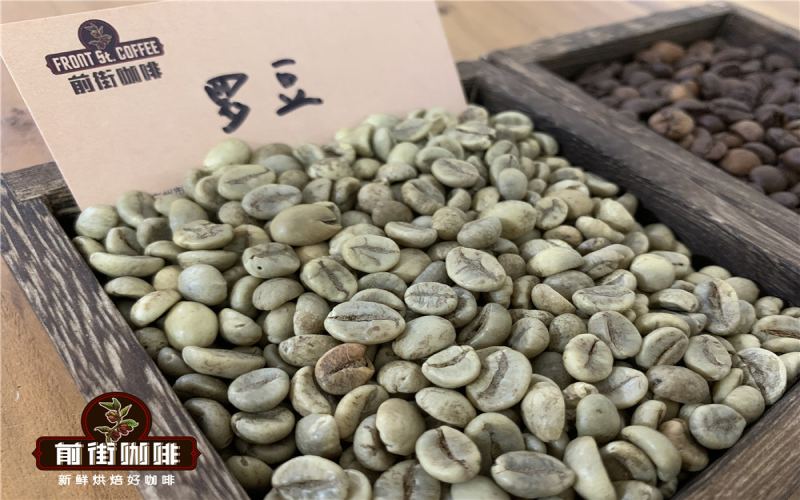
Robusta coffee beans are known for their high yield, full body, high caffeine content, and low cost, and they hold an important position in global instant and blended coffee. As the world's second-largest coffee producer, Vietnam devotes 80% of its output to Robusta, making it the largest current supplier of Robusta. This article will analyze variety classification, plant characteristics, cultivation altitude, and the causes of flavor, and will also explore the value of Robusta in espresso blends in the era of specialty coffee. At the same time, the article will also combine two products, Front Street Classic Blend and Front Street Commercial Blend, to explain how a small amount of Robusta improves the actual performance of crema and a rich mouthfeel. [more…]

Where Does the Floral Aroma in Coffee Beans Come From? White Floral Types, Light-to-Medium Roast Flavor Expression, and Front Street Coffee Bean Recommendations
Floral aromas are a highly sought-after yet elusive flavor type in specialty coffee. Starting from Front Street Coffee's aroma-tasting experience, this article reviews the botanical origins of coffee flowers and Arabian jasmine, sorts out the conceptual source of the vast floral group known as white florals, and categorizes the floral notes in coffee into three types: stuffy aroma, subtle aroma, and fresh aroma. Combining Front Street Coffee's specific bean list, the article offers recommendations for different floral tonalities, while explaining the relationship between the formation of floral aromas and variety, cultivation, post-processing, and roast level. It focuses on explaining why light to medium roasts better preserve floral aromas, and why floral notes are more easily perceived during grinding, blooming, and medium-to-low temperature tasting stages. [more…]
An Analysis of Robusta Coffee Bean Derivative Varieties and Cultivation Advantages: The Complete Lineage from Canephora to Tim Tim
In the world of coffee, Robusta, though less favored than Arabica, occupies a market share that cannot be ignored thanks to its tenacious vitality and unique flavor. This article will systematically sort out Robusta's botanical classification—it belongs to the Canephora species, from which hybrid varieties such as Tim and Catimor are derived; at the same time, it will deeply analyze its cultivation advantages of tolerance to high temperatures, cold, drought, and humidity, as well as its commercial value of high caffeine content, pest resistance, high yield and fast ripening, and suitability for mechanized management. Of course, Robusta's bitter flavor profile and rubbery, earthy taste are also unavoidable drawbacks. Finally, Front Street will recommend a commercial blend containing 10% washed Robusta, taking you from an introduction to espresso to experience the rich charm of Robusta. [more…]
Coffee Basics | An Analysis of the Flavor and Characteristic Differences Between Large-, Medium-, and Small-Bean Coffee Varietals
There are many varieties of coffee trees, but the cultivated varieties used for drinking mainly fall into three types: Arabica (small-bean species), Robusta (medium-bean species), and Liberica (large-bean species). They differ in plant morphology, fruit size, flavor profile, growing conditions, and commercial value. This article will systematically sort out the differences among these three types of coffee beans from the perspectives of botanical classification, appearance characteristics, flavor traits, and origin distribution, and will also answer the question of which species Yunnan small-bean coffee belongs to, helping coffee enthusiasts gain a clearer understanding of the source of the coffee they drink every day. [more…]
Tracing the Origins of Yunnan Small-Bean Coffee Varieties and Analyzing Their Pour-Over Flavors: From Catimor to Typica
Yunnan small-bean coffee usually refers to the Catimor variety, whose creation stemmed from the pursuit of yield and disease resistance, yet it has long carried the controversy of flavor defects. This article will trace the lineage of variety evolution from Typica to Catimor, analyze the causes behind Catimor's flavor characteristics, and introduce improvements in planting and processing techniques in the Yunnan production region. At the same time, drawing on Front Street Coffee's experience with two products—Baoshan washed Catimor and Lincang sun-dried Typica—it shares pour-over extraction parameters and flavor performance, presenting the diverse face of Yunnan coffee to coffee enthusiasts. [more…]
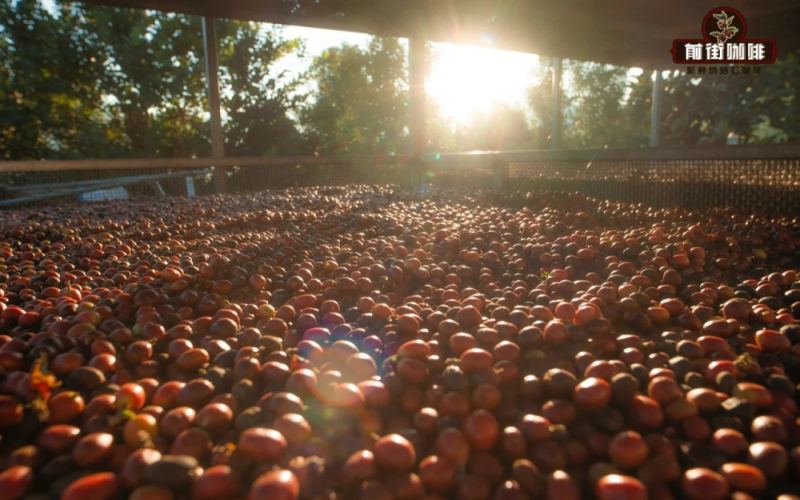
A Complete Analysis of the Three Major Coffee Varieties: Distinguishing Large-Bean, Medium-Bean, and Small-Bean Coffee and the Classification of Yunnan Small-Bean Coffee
The coffee world is vast and complex. Under botanical classification alone, there are more than a hundred species, yet the cultivated varieties actually used for drinking mainly fall into three major categories: Arabica (small-bean), Robusta (medium-bean), and Liberica (large-bean). Each possesses unique botanical characteristics, growing conditions, and flavor profiles, and their yields and commercial value differ greatly. Yunnan, as China's representative coffee-producing region, grows coffee that belongs to which category? Why is it called "Yunnan small-bean coffee"? This article will systematically outline the key distinctions among the three major coffee varieties, provide an in-depth answer to the varietal classification of Yunnan small-bean coffee, and also present Front Street Coffee's Yunnan Typica and espresso blend recommendations. [more…]
A Complete Guide to Specialty Arabica Coffee Beans: Flavors and Origins from Heirloom Varieties to Hybrid Cultivars
The Coffea genus encompasses a vast number of species, yet the specialty coffee stage is dominated primarily by high-altitude Arabica. From Ethiopia's ancient Typica and Yemen's Bourbon to the spontaneously mutated Bourbon Pointu, Maragogype, and Geisha, and on to deliberately bred varieties such as Caturra and Pacas as well as interspecific hybrids, behind every name lies a story of migration and flavor. This article systematically sorts through the main varieties of specialty Arabica, their origins and lineage, and their cupping performance, and explains why hybrids rarely appear in the product lines of specialty coffee suppliers such as Front Street Coffee. Whether you are a newcomer or a seasoned enthusiast, this variety map will help you understand more clearly where the flavors in your cup come from. [more…]